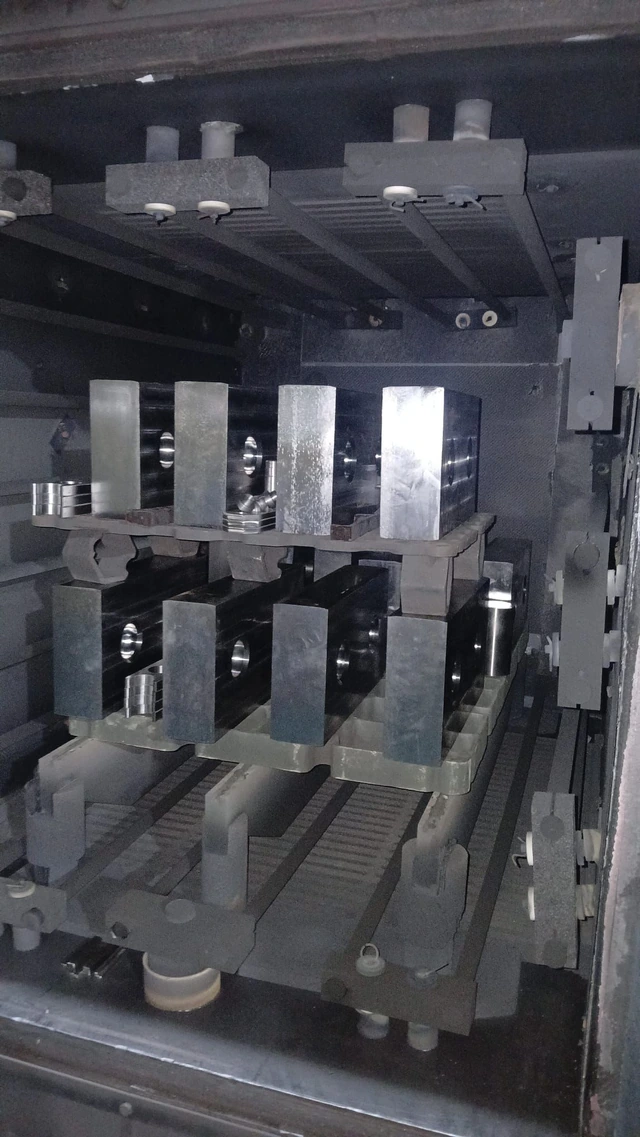
Vacuum Hardening Furnace
State-of-the-art vacuum furnace for oxidation-free hardening processes
- 1300°C maximum temperature
- 10⁻⁶ mbar vacuum level
- Programmable cooling
- Double wall insulation

UNIVERSAL B I Ç A K
Discuss heat treatment requirements for the knife material and application. Target properties and process scope are established through technical assessment.
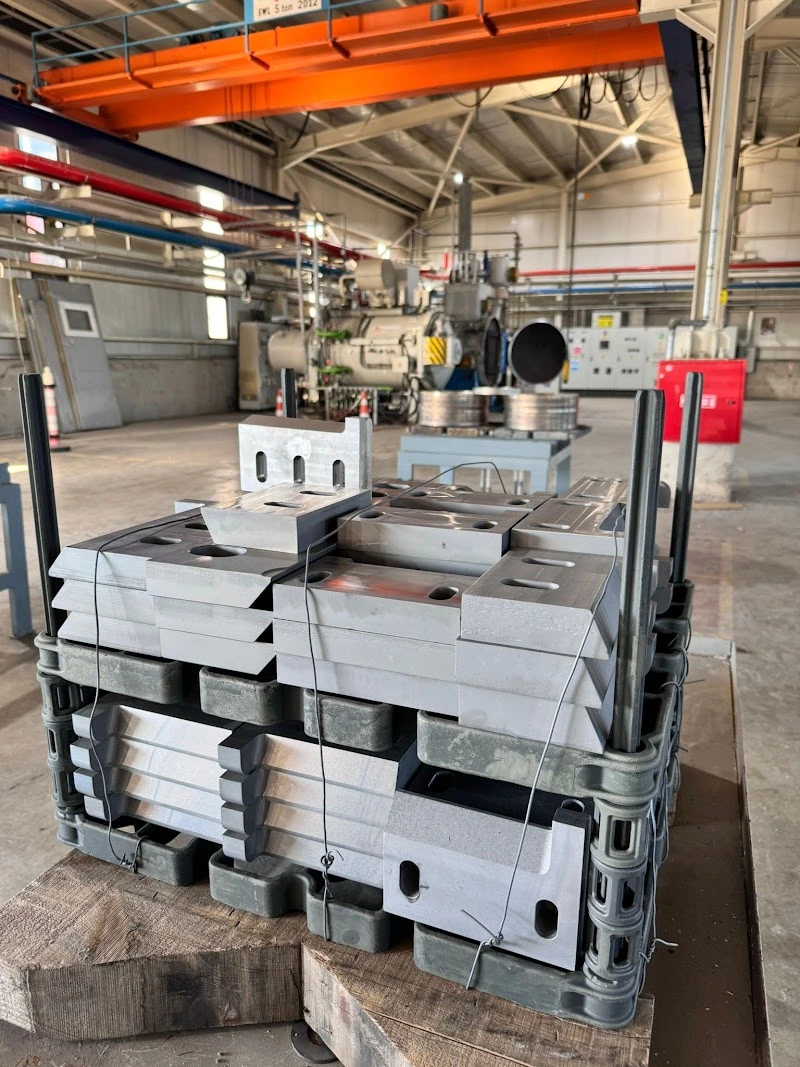
With experience since 1976, our advanced heat treatment facility offers comprehensive solutions that optimize material properties in the industrial knife and cutting tool sector. Equipped with modern vacuum hardening furnaces, plasma nitriding units, controlled atmosphere tempering furnaces, and cryogenic processing equipment, we perform precise heat treatment applications on steel alloys, tool steels, stainless steels, and superalloys. In our metallurgy laboratory, process quality is guaranteed through hardness tests, microstructure examinations, and dimensional stability checks.
We provide custom heat treatment procedures, material selection consultancy, and performance optimization services for manufacturers in the automotive, aerospace, defense, energy, and heavy machinery sectors. Our process protocols comply with DIN EN 10052, ASTM A255, and AMS standards, offering services at international quality levels. Vacuum hardening processes ensure oxidation-free surface quality, minimal dimensional change, and homogeneous hardness distribution. Our plasma nitriding technology increases surface hardness while maintaining core toughness.
Hardening processes performed in a vacuum environment free of oxygen and nitrogen eliminate surface oxidation, ensure minimal dimensional change, and achieve homogeneous hardness distribution.
Low-temperature plasma nitriding addresses surface hardness in the 800–1200 HV range while retaining core toughness. An increase in wear resistance of up to 300% is assessed according to material and application conditions.
Tempering processes performed in hydrogen, nitrogen, and argon atmospheres optimize the desired hardness-toughness balance and homogenize the internal structure.
Cryogenic processes applied in -196°C liquid nitrogen convert retained austenite to martensite, increase dimensional stability, and improve wear resistance.
Temperature control with ±2°C accuracy, programmable cooling rates, and real-time process monitoring system monitor repeatability through process controls.
Full traceability is provided with heat treatment certificates, hardness test reports, microstructure analysis, and dimensional control reports for each part.
State-of-the-art vacuum furnace for oxidation-free hardening processes
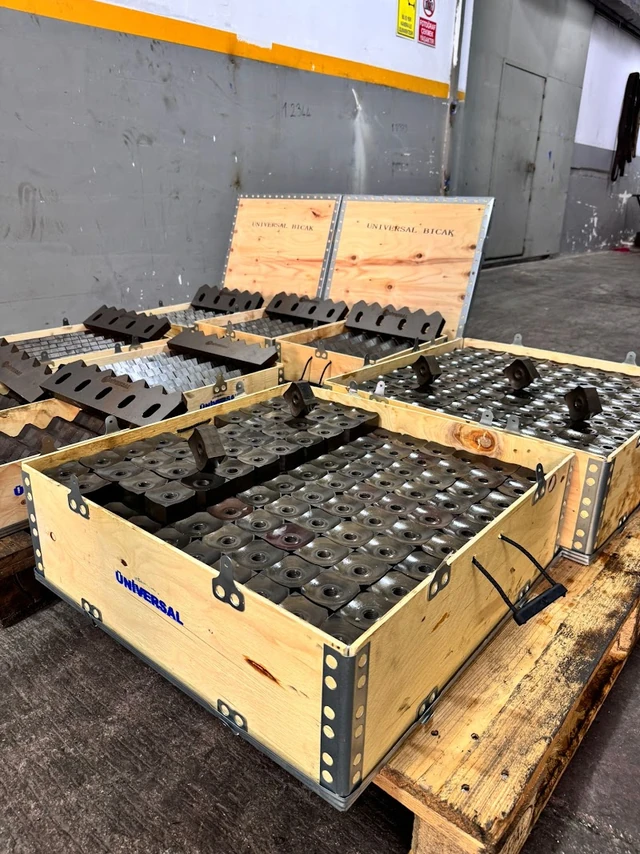
Surface hardening with low-temperature plasma technology
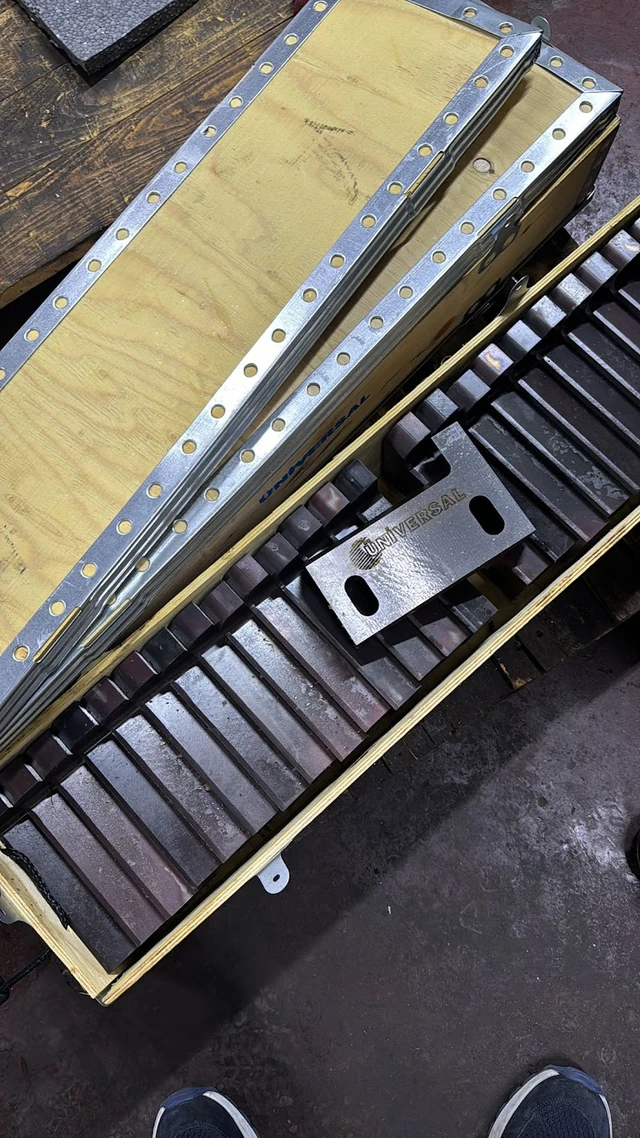
Optimal hardness-toughness balance with precise temperature control
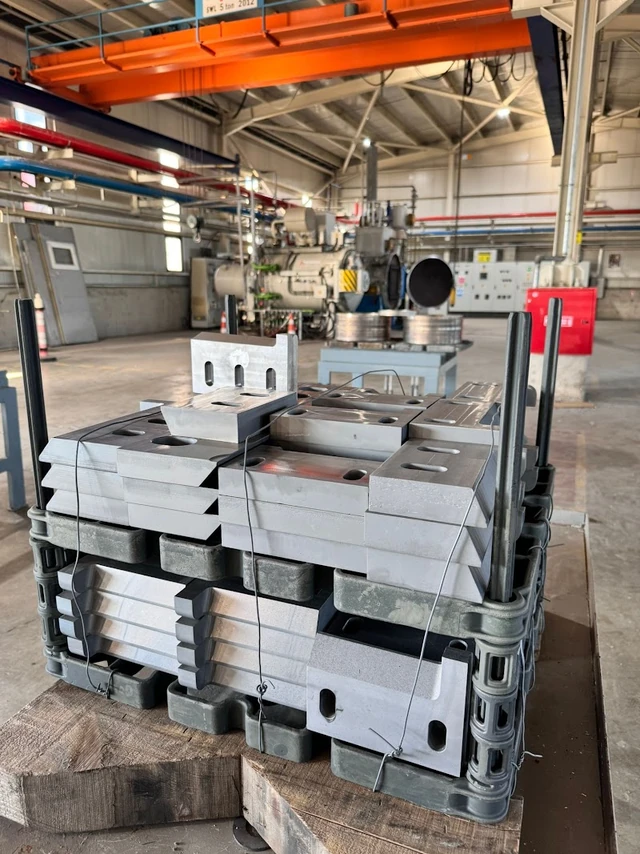
Ultra-low temperature applications with liquid nitrogen
Vacuum hardening is performed in an oxygen-free environment, so no surface oxidation occurs, resulting in a clean and bright surface. It provides minimal deformation, homogeneous hardness distribution, and repeatable results. It is also an environmentally friendly process.
It can be applied to tool steels, structural steels, stainless steels, nitriding steels, and various alloys. Thanks to the low temperature, surface hardening is possible with minimal deformation even on sensitive parts.
The process duration depends on the material type, part size, and desired properties. Vacuum hardening takes 2-8 hours, plasma nitriding 8-24 hours, and tempering 1-4 hours. A detailed schedule is determined after technical evaluation.
It is applied to parts requiring dimensional stability, when increased wear resistance is desired, and for the elimination of retained austenite. It is especially effective for tool steels and measuring instruments.
Contact us to evaluate your project for our advanced heat treatment services.
UNIVERSAL B I Ç A K
Share your machine details, the material being cut and the knife dimensions. Attach a drawing or a photo of the existing knife if available so our team can assess the manufacturing or service scope.